
Old School RuneScape Beginner Guide: From Tutorial Island to Your First Big Milestones
Jul-16-2026 PSTJust stepped out of Lumbridge Castle and have no idea what to do next? Feeling overwhelmed by 23 skills, 170+ quests, and one of the biggest sandbox worlds in gaming? You're not alone. Every veteran once stood exactly where you are, wondering where to begin.
The good news is that OSRS rewards smart planning more than rushing. Whether your goal is bossing, PvM, PvP, skilling, or simply exploring Gielinor, the early game lays the foundation for everything that follows. This guide covers the most important first steps, essential quests, efficient training methods, and account decisions that every new player should know. Buy OSRS gold at RSgoldfast to level up faster and stay ahead.
Your First Hours Matter More Than You Think
Leaving Tutorial Island isn't the finish line—it's where your real adventure begins.
Unlike most MMOs, Old School RuneScape doesn't revolve around one character level. Instead, your progress is built through 23 individual skills, each unlocking new equipment, activities, quests, and money-making opportunities.
One of your first stops should be Adventure Paths, introduced by Adventurer Jon in Lumbridge. These milestone objectives guide you through combat, gathering, and basic game systems while rewarding useful starter gear and clear goals.
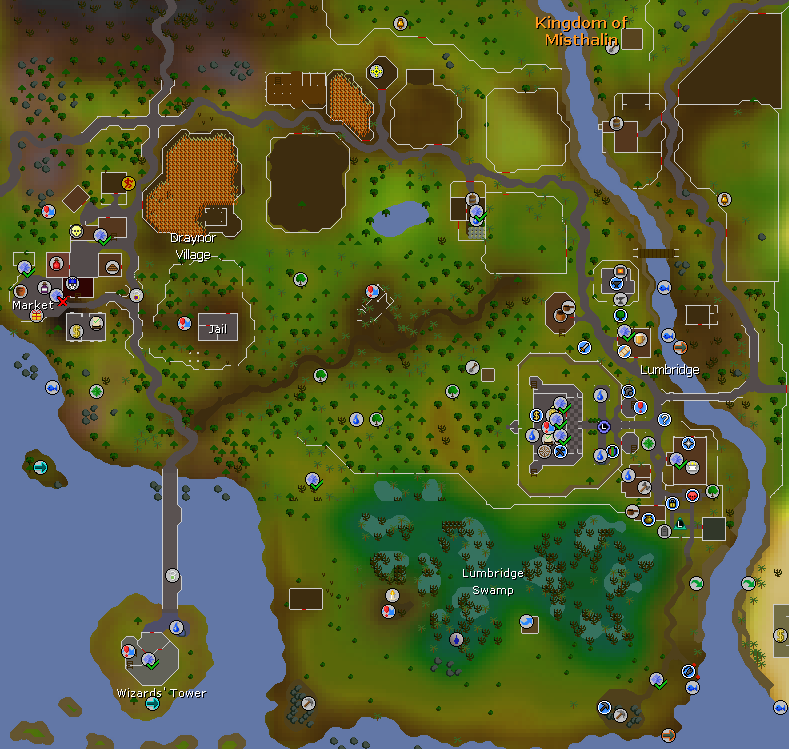
Next, open your Quest List and filter for quests you can currently complete. Beginner-friendly quests such as Misthalin Mystery are easy to locate thanks to the built-in map marker, giving you direction without overwhelming you.
Value for You: Perfect for brand-new players who want to eliminate early confusion and build a clear roadmap for their first few hours.
Quests Are the Fastest Way to Unlock the Real Game
If you're planning to grind monsters for hours, stop.
Quests are the heart of OSRS. They don't just tell memorable stories—they unlock new regions, transportation methods, bosses, skills, and game-changing rewards.
For free-to-play players, an excellent starting sequence includes:
Cook's Assistant
Sheep Shearer
Misthalin Mystery
Prince Ali Rescue
The Restless Ghost
Rune Mysteries
Members gain even more powerful unlocks through quests such as:
Druidic Ritual — Unlocks the Herblore skill.
Lost City — Grants access to Dragon weapons.
Desert Treasure I — Unlocks Ancient Magicks, one of the strongest spellbooks for late-game training.
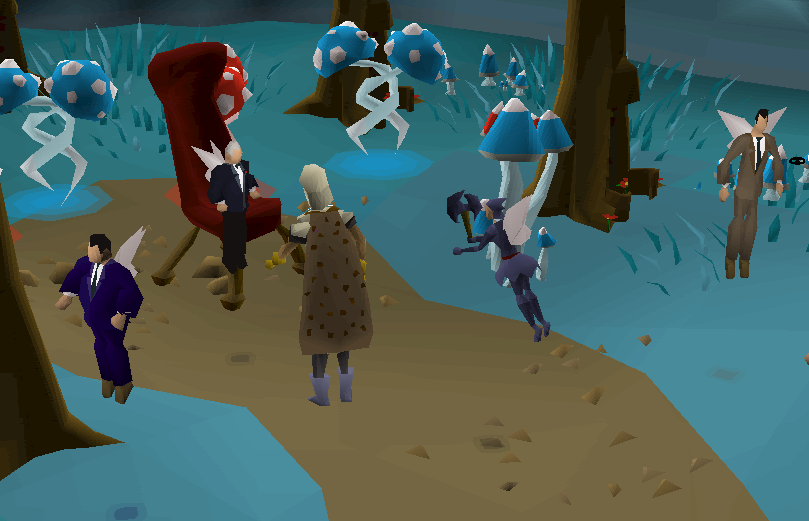
Fairytale II (start) — Unlocks the incredibly useful Fairy Ring transportation network.
Tree Gnome Village and The Grand Tree — Open access to Spirit Trees and Gliders for rapid travel across Gielinor.
The more quests you complete early, the smoother your entire account progression becomes.
Value for You: Best for players who want efficient progression by unlocking major content instead of wasting time on repetitive grinding.
Train Smarter, Not Harder
Combat training becomes much easier when you follow the right progression.
For Melee, early quests like Waterfall Quest, Tree Gnome Village, and The Grand Tree provide massive experience rewards, allowing you to skip many slow early levels. Afterward, Sand Crabs or Ammonite Crabs offer excellent AFK training until around level 70. From there, combining combat with Slayer becomes the most efficient long-term approach.
For Magic, several quests—including Witch's Potion, Imp Catcher, The Grand Tree, and Watchtower—provide a huge early boost. Mid-game training focuses on combat spells and High Level Alchemy, while late-game players often use Ice Burst during Slayer tasks in the Catacombs of Kourend for outstanding experience rates.
Ranged follows a similar pattern: quest rewards early on, then Slayer combined with stronger equipment like crossbows or the Toxic Blowpipe once available.
Whatever combat style you choose, quest experience saves countless hours, Slayer trains multiple skills simultaneously, and unlocking 43 Prayer early dramatically improves survivability through Protection Prayers.
Value for You: Ideal for combat-focused players looking to maximize experience gains while avoiding inefficient training methods.
Choose Your Game Mode Carefully
One decision can shape your entire OSRS experience.
When creating your account, you'll choose between several game modes.
Ironman characters cannot trade with other players or use the Grand Exchange, making every item self-earned. Ultimate Ironman removes bank access entirely and is generally recommended only for experienced veterans. Hardcore Ironman offers a single life before converting into a standard Ironman, while Group Ironman allows limited cooperation between teammates.
New accounts should also understand Grand Exchange restrictions. Certain commonly botted items remain limited until your account has over 20 hours of playtime, 100 total skill levels, and at least 10 Quest Points. Completing early quests therefore improves both your progression and your economic freedom.
Finally, protect your account. Upgrade to a Jagex Account, enable two-factor authentication (2FA), and secure your recovery codes. Account security is far easier than recovering years of lost progress.
Value for You: Perfect for every serious OSRS player who wants to choose the right game mode and protect hundreds of future gameplay hours.
Final Thoughts
Old School RuneScape isn't a race—it's a journey that rewards curiosity, planning, and long-term goals. Focus on completing quests, unlocking transportation, training efficiently, and building a secure account instead of chasing levels as quickly as possible.
Most importantly, don't be afraid to explore. Some of the best memories in Gielinor come from discovering something unexpected rather than following the perfect efficiency guide.buy RS gold at RSgoldfast to level up faster and stay ahead.
Pro Tips
Use the in-game Wiki button constantly.
Unlock 43 Prayer as early as possible.
Complete quests before grinding combat levels.
Play OSRS Mobile for effortless AFK training.
Set personal goals instead of rushing max efficiency.